
Revenue Growth System
Stop running campaigns. Build the machine.
A $3,450 Revenue Audit examines the entire engine: positioning, demand, conversion, retention and measurement, then returns a sequenced plan for the whole system rather than one channel. Four weeks.
This is the most senior engagement marive offers.
The problem
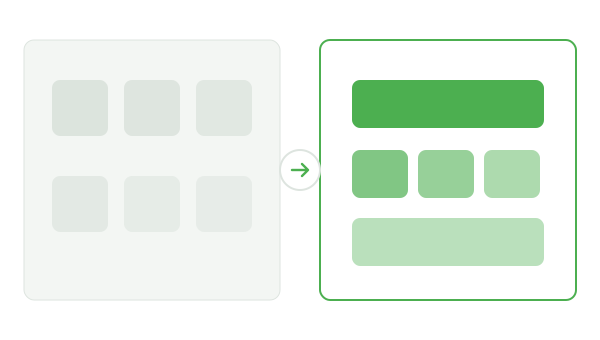
Tactics without a system.
Most companies accumulate marketing rather than design it. A channel here, a tool there, each added to solve a problem that existed eighteen months ago, none of them aware of each other.
The result works, in the sense that things happen. It just does not compound. Every quarter starts from roughly the same place, because nothing built last quarter made this quarter easier.
Architecture
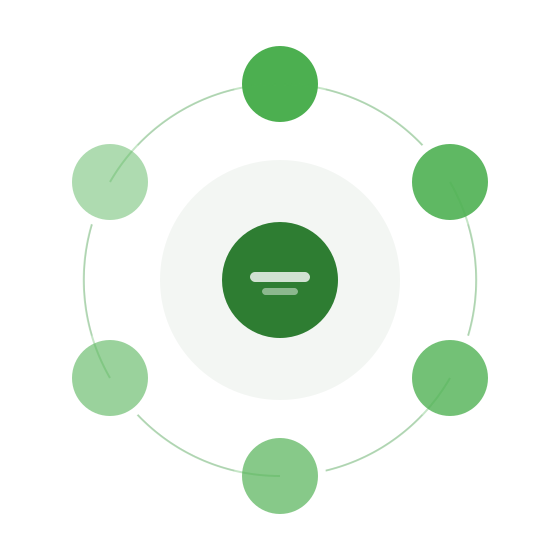
Five subsystems, deliberately connected.
Each is available on its own elsewhere on this site. This service is the decision to run them as one thing with one plan and one set of numbers.
Positioning
What you claim and to whom. Every other subsystem inherits its efficiency from this one, which is why it goes first.
Demand
Organic, AI visibility, paid and social working to one plan, sequenced so each makes the next cheaper.
Conversion
Funnels, pages and offers that turn attention into pipeline, tested continuously rather than built once.
Retention
Nurture, onboarding and expansion. The cheapest revenue in the business and usually the least owned.
Measurement
Tracking, attribution and reporting, so every decision above is made on numbers that survive scrutiny.
Why it compounds
Each part lowers the cost of the next.
Sharper positioning raises the conversion rate of every page. Higher conversion lowers the cost per acquisition of every channel. Better measurement means budget moves toward what works faster. Content published for search also feeds AI citation, sales enablement and nurture.
Run separately, these efficiencies never appear. Run as a system, they multiply, and the twelfth month costs less to produce than the third did.

Sequence
The order matters more than the effort.
Building demand before positioning is settled means paying to distribute a message that will change. The sequence is the strategy.
Month 1
Audit and architecture
Every subsystem examined, gaps mapped, and a target architecture agreed with a revenue number attached.
Month 2 to 4
Foundations
Positioning settled, measurement fixed, conversion paths rebuilt. Unglamorous work that everything later depends on.
Month 5 to 9
Demand and scale
Channels built out against the plan, content and campaigns shipping to a cadence, budget reallocated on evidence.
Month 10 onward
Compounding
Efficiency improves as assets accumulate. The operating cadence continues and the plan updates against real numbers quarterly.
Cadence
A system needs an operating rhythm.
Strategy documents fail because nobody meets about them. The cadence is what turns a plan into an operating system.
Weekly
Working session with whoever owns marketing internally. Decisions made, blockers cleared, nothing waits a month.
Monthly
Reporting against the numbers agreed in month one. What worked, what did not, what changes as a result.
Quarterly
The plan itself is revisited. Channels that stopped returning get cut and budget moves without a negotiation.
Ownership
You own the machine, not a dependency.
The test of a good agency engagement is what remains when it ends. Ours is designed so you could bring it in-house.
The strategy
Written, sequenced and yours. If the engagement ends, the plan does not leave with us.
The systems
CRM, automation, tracking and dashboards configured in your accounts, documented for your team.
The assets
Content, pages, creative and sequences. Published under your name, owned outright.
The knowledge
Every decision documented with its reasoning, so a future hire inherits context rather than a mystery.
Alternatives
Compared with the other ways to do this.
This is the most expensive service on the site. It should be compared honestly.
Building in-house
A VP of marketing plus four specialists costs well over $600,000 a year loaded, takes nine months to assemble, and carries the full risk of every hire.
Multiple agencies
Cheaper per line item and structurally uncoordinated. Each optimises its own metric and nobody owns the number that matters.
A single channel agency
Excellent when one channel is genuinely the constraint. Expensive when the constraint is somewhere else and they keep selling their channel.
marive Revenue Growth System
One senior team accountable for the whole engine, published pricing, a documented plan you own, and reporting tied to revenue.
Fit
This is not for most companies.
It requires scale, commitment and a willingness to change things that are currently working badly.
Right fit
- Established B2B revenue and a repeatable sale
- Marketing budget that justifies senior ownership
- Prepared to commit for twelve months, not a quarter
- Leadership willing to change positioning if the audit says so
- Someone internal who can make decisions quickly
Wrong fit
- Pre product-market fit or still testing the offer
- Looking for one channel fixed rather than the system
- Needs results inside a single quarter
- Marketing decisions require lengthy committee approval
- Budget better spent on a single specialist service
Pricing
Published, including at this level.
For context, a comparable in-house function costs well over $600,000 a year loaded, and multi-service agency engagements for funded B2B companies commonly land between $10,000 and $25,000 per month.
Revenue Audit
Examine the whole engine.
$3,450
one-time
- All five subsystems reviewed
- Gap analysis against target architecture
- Revenue model and forecast
- Sequenced twelve-month plan
- Yours to keep
Growth System Build
Install the system.
$24,950
one-time project
- Positioning and strategy settled
- Measurement and CRM built
- Conversion paths rebuilt
- Demand channels stood up
- Documentation and training
- Sixteen week delivery
Most chosen
Revenue Partner
We run it with you.
$12,950
per month
- Everything built and operated
- Senior ownership of the plan
- Full execution across channels
- Weekly, monthly, quarterly cadence
- Board-level reporting
- Twelve month commitment
Enterprise Growth
Multi-market operations.
$22,950
per month
- Everything in Revenue Partner
- Multiple markets or product lines
- Dedicated senior team
- Custom reporting and forecasting
- Priority delivery across all work
All prices in USD and exclude ad spend and software licences. Monthly engagements are billed first month at checkout and invoiced thereafter.
Questions
Common questions.
Including when the answer is that you should buy something smaller.
What is a revenue growth system?
A revenue growth system is marketing run as one connected operating system rather than a set of separate channels. It covers positioning, demand generation, conversion, retention and measurement under a single plan, a single set of numbers and a fixed operating cadence, so that each part lowers the cost of the next.
How much does it cost?
marive publishes fixed pricing: $3,450 for a Revenue Audit, $24,950 for a Growth System Build, then $12,950 or $22,950 per month to run it. For comparison, multi-service agency engagements for funded B2B companies commonly land between $10,000 and $25,000 per month, and a comparable in-house team costs well over $600,000 a year loaded.
How is this different from full-service digital marketing?
Full-service means marive executes across your channels to an agreed plan. The Revenue Growth System goes further: it redesigns the operating model itself, including positioning, measurement architecture, cadence and ownership, then runs it. Full-service is the right answer for most companies. This is for those where the system, not the execution, is the constraint.
Why a twelve month commitment?
Because the sequence requires it. Foundations occupy the first quarter and produce little visible output, demand builds through the middle, and compounding appears late in the year. A six-month version would spend the whole engagement on foundations and be judged before any of the return arrived.
What if the audit says we do not need this?
Then it says so, and recommends the smaller engagement that fits instead. That happens reasonably often, because the honest answer for many companies is one or two specialist services rather than a full system rebuild. The audit is $3,450 and you keep it either way.
Who from our side needs to be involved?
One person who can make decisions without assembling a committee, ideally the founder or whoever owns commercial direction, plus access to sales. The weekly session is roughly an hour. Engagements fail more often from slow internal decisions than from anything marive does.
What happens if we bring marketing in-house later?
That is a legitimate outcome and the engagement is built for it. Every system sits in your accounts, every decision is documented with its reasoning, and the strategy is written down. A future in-house hire inherits a working machine and the context behind it.
Can we start smaller and grow into this?
Yes, and most clients do. Beginning with a single service, seeing whether the working relationship holds up, and expanding once reporting shows the next constraint is a sensible route. Nobody should sign a twelve month commitment with an agency they have not worked with.
Related services
Smaller ways in.
Most companies should start with one of these.
Full-Service Digital Marketing
Execution across channels, without the rebuild.
Fractional CMO Services
Leadership only, if you have execution covered.
Marketing Strategy & Roadmap
The plan as a standalone project.
Start with the audit, not the commitment.
The Revenue Audit costs $3,450 and takes four weeks. Every subsystem examined, a target architecture, a revenue model and a sequenced twelve month plan. If it concludes you need something smaller, it will say so and you keep the plan either way.